The transition from fall to winter is one of the best windows for tree care in Northern Illinois — and one of the most underutilized. While spring gets most of the attention, several important tree care activities are actually more effective in fall, and others need to be completed before the ground freezes.
Fall Pruning
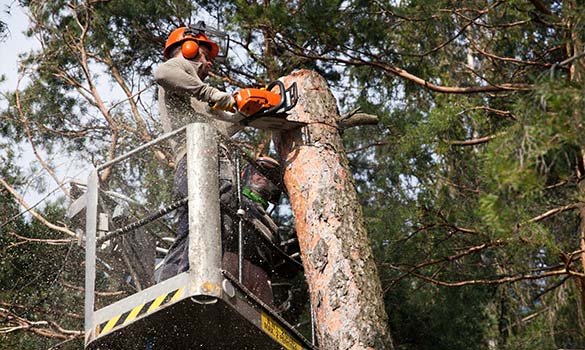
Late fall and winter, when trees are dormant, is a good time for most structural pruning. The tree is not actively growing, so pruning stress is minimized. The absence of leaves makes it easier to see the tree's structure and identify crossing branches, weak unions, and dead wood. For many species, dormant pruning also reduces disease transmission risk.
The major exceptions are oaks, which should not be pruned between April 1 and July 15 due to oak wilt risk, but can be pruned in late fall and winter with minimal risk. If you have oaks that need pruning, fall/winter is the safest window.
Deep Root Fertilization
Fall is one of the two best times for deep root fertilization (the other is mid-spring). After leaf drop, trees aren't spending energy on photosynthesis, but root activity continues until the ground freezes. Fertilizer applied in fall becomes available to roots early in the next spring growing season, giving trees a nutritional head start before the demands of leaf-out.
This is particularly valuable for trees showing reduced vigor, off-color foliage, or recovery from stress. Fall fertilization is a low-key, high-value investment in next year's tree health.
Anti-Desiccant Treatments for Evergreens
Broadleaf evergreens — arborvitae, boxwood, and other conifers in exposed locations — can suffer from winter desiccation, where wind and sun cause moisture loss from foliage faster than the frozen ground allows roots to replenish it. Anti-desiccant sprays applied in late fall coat foliage with a protective waxy film that reduces moisture loss.
Anti-desiccants are most valuable for plants in exposed, windy locations, and for plants that have experienced previous winter burn. Application timing is important — apply after the tree has hardened off for winter (typically November or early December), before severe cold arrives.
Winter Watering Before Ground Freeze
October and November are dry months many years in Northern Illinois. If fall has been dry, watering trees before the ground freezes helps them enter winter with adequate moisture. This is especially important for newly planted trees (within the last 2-3 years) and for evergreens that will continue losing moisture through their foliage all winter.
Newly planted trees are at elevated risk of winter injury for their first 3 to 5 years. Consistent moisture in fall, mulch to moderate soil temperature, and protection from deer browsing and salt spray are all worthwhile investments in young trees.
Tree Wrap for Young Trees
Young trees with thin bark — particularly maples, lindens, and ornamental fruit trees — are susceptible to sunscald: damage caused when winter sunlight warms bark on the southwest side of the trunk, causing cells to become active, followed by rapid refreezing at night that kills the newly activated tissue. Tree wrap applied from the base to the first branch and removed in spring reduces this risk.
Pest Treatment Before Overwintering
Some pest treatments are most effective in fall. Dormant oil applications applied to bark and twigs before bud break kill overwintering scale insects, mite eggs, and some other pests. Applied in late fall or early spring, dormant oils are very effective and relatively low in toxicity to beneficial insects.
If your trees had significant pest problems during the growing season, a fall dormant oil application is worth considering to reduce the overwintering population heading into next year.
Fall is a good time to take stock of your trees' condition and address anything before winter makes problems worse. Contact Emerald Tree Care to schedule a fall evaluation for your Chicagoland property.